

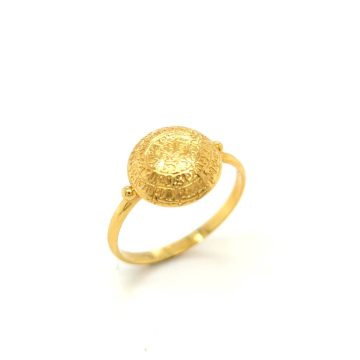
Women’s ring, gold K14 (585°), Disc of Phaistos
A ring made of gold K14 (585°) with Disc of Phaistos. The Disc of Phaistos is a disk of baked clay, which is an archaeological find from the Minoan city of Phaistos in southern Crete and probably dates to the middle or late Minoan Bronze Age . It is one of the most famous mysteries …
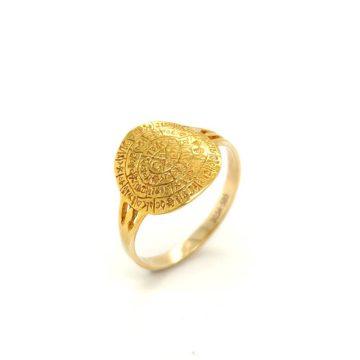
Women’s ring, gold K14 (585°), Disc of Phaistos
A ring made of gold K14 (585°) with Disc of Phaistos. The Disc of Phaistos is a disk of baked clay, which is an archaeological find from the Minoan city of Phaistos in southern Crete and probably dates to the middle or late Minoan Bronze Age . It is one of the most famous mysteries …
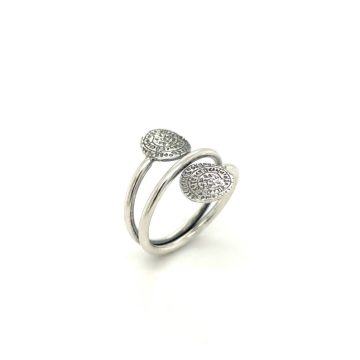
Women’s ring, silver (925°) with oxidation, Disc of Phaistos
Women’s ring made of oxidized silver (925°) with the Disc of Phaistos. The Disc of Phaistos is a disc of baked clay, which is an archaeological find from the Minoan city of Phaistos in southern Crete and probably dates to the middle or late Minoan Bronze Age. It is one of the most famous mysteries …
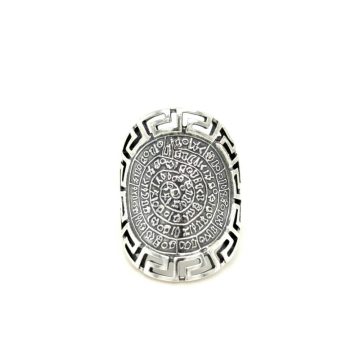
Women’s ring, silver (925°) with oxidation, Disc of Phaistos with meander
Women’s ring made of oxidized silver (925°) with the Disc of Phaistos and meander. The Disc of Phaistos is a disc of baked clay, which is an archaeological find from the Minoan city of Phaistos in southern Crete and probably dates to the middle or late Minoan Bronze Age. It is one of the most …
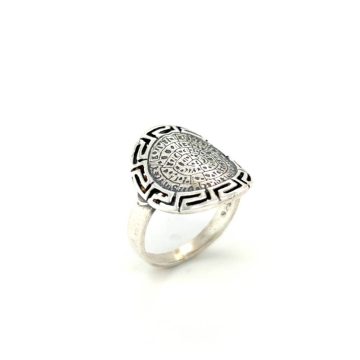
Women’s ring, silver (925°) with oxidation, Disc of Phaistos with meander
Women’s ring made of oxidized silver (925°) with the Disc of Phaistos and meander. The Disc of Phaistos is a disc of baked clay, which is an archaeological find from the Minoan city of Phaistos in southern Crete and probably dates to the middle or late Minoan Bronze Age. It is one of the most …
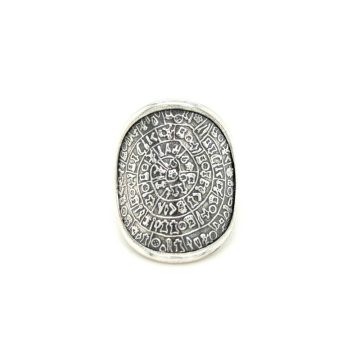
Women’s ring, silver (925°) with oxidation, Disc of Phaistos
Women’s ring made of oxidized silver (925°) with the Disc of Phaistos. The Disc of Phaistos is a disc of baked clay, which is an archaeological find from the Minoan city of Phaistos in southern Crete and probably dates to the middle or late Minoan Bronze Age. It is one of the most famous mysteries …
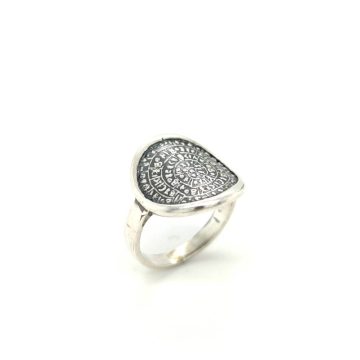
Women’s ring, silver (925°) with oxidation, Disc of Phaistos
Women’s ring made of oxidized silver (925°) with the Disc of Phaistos. The Disc of Phaistos is a disc of baked clay, which is an archaeological find from the Minoan city of Phaistos in southern Crete and probably dates to the middle or late Minoan Bronze Age. It is one of the most famous mysteries …
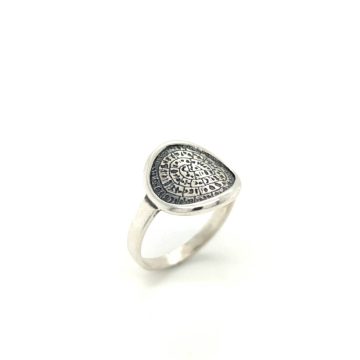
Women’s ring, silver (925°) with oxidation, Disc of Phaistos
Women’s ring made of oxidized silver (925°) with the Disc of Phaistos. The Disc of Phaistos is a disc of baked clay, which is an archaeological find from the Minoan city of Phaistos in southern Crete and probably dates to the middle or late Minoan Bronze Age. It is one of the most famous mysteries …
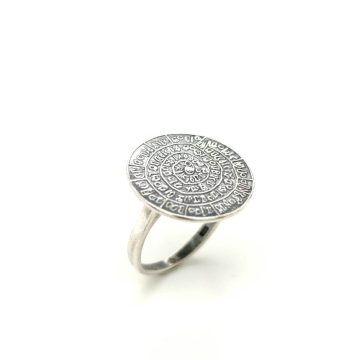
Women’s ring, silver (925°) with oxidation, Disc of Phaistos
Women’s ring made of oxidized silver (925 °) with the Disc of Phaistos. The Disc of Phaistos is a disc of baked clay, which is an archaeological find from the Minoan city of Phaistos in southern Crete and probably dates to the middle or late Minoan Bronze Age. It is one of the most famous …
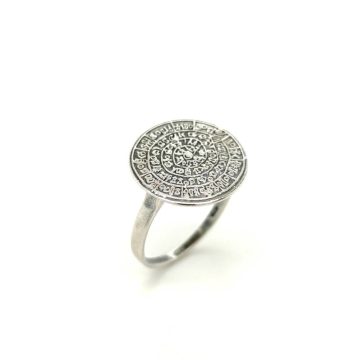
Women’s ring, silver (925°) with oxidation, Disc of Phaistos
Women’s ring made of oxidized silver (925 °) with the Disc of Phaistos. The Disc of Phaistos is a disc of baked clay, which is an archaeological find from the Minoan city of Phaistos in southern Crete and probably dates to the middle or late Minoan Bronze Age. It is one of the most famous …
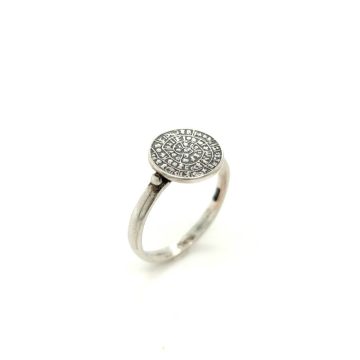
Women’s ring, silver (925°) with oxidation, Disc of Phaistos
Women’s ring made of oxidized silver (925°) with the Disc of Phaistos. The Disc of Phaistos is a disc of baked clay, which is an archaeological find from the Minoan city of Phaistos in southern Crete and probably dates to the middle or late Minoan Bronze Age. It is one of the most famous mysteries …
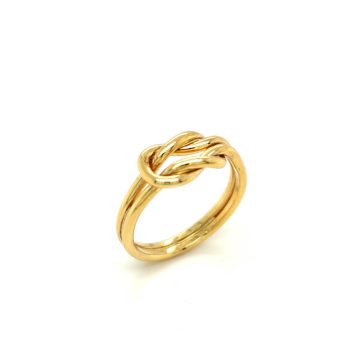
Women’s ring “knot of Hercules”, gold Κ14 (585°)
Ring of “knot of Hercules” is made of gold K14 (585°). The knot of Hercules symbolizes the commitment of life to death through the connection that Hercules achieves between the two worlds and of course the dual character of the hero (demigod).